 Sampdoria Hub
Tactical Adjustments for Sampdoria's Recent Struggles
As the Blucerchiati navigate a challenging phase in their campaign, it’s essential to delve into the tactical intricacies that have contributed to their recent struggles. Analyzing their recent matches, one can see a pattern emerging: despite dominating possession, Sampdoria has faltered in translating that control into effective attacks. This article outlines key areas for potential tweaks that could rejuvenate their style of play.
The Possession Conundrum
Sampdoria's recent games have showcased their ability to maintain possession, often outpacing their opponents in midfield control. However, the transition from midfield dominance to the final third has been fraught with inefficiencies. The team tends to become stagnant, with players often taking too long to make decisions or losing the ball in critical areas. To address this, a more fluid attacking movement is necessary.
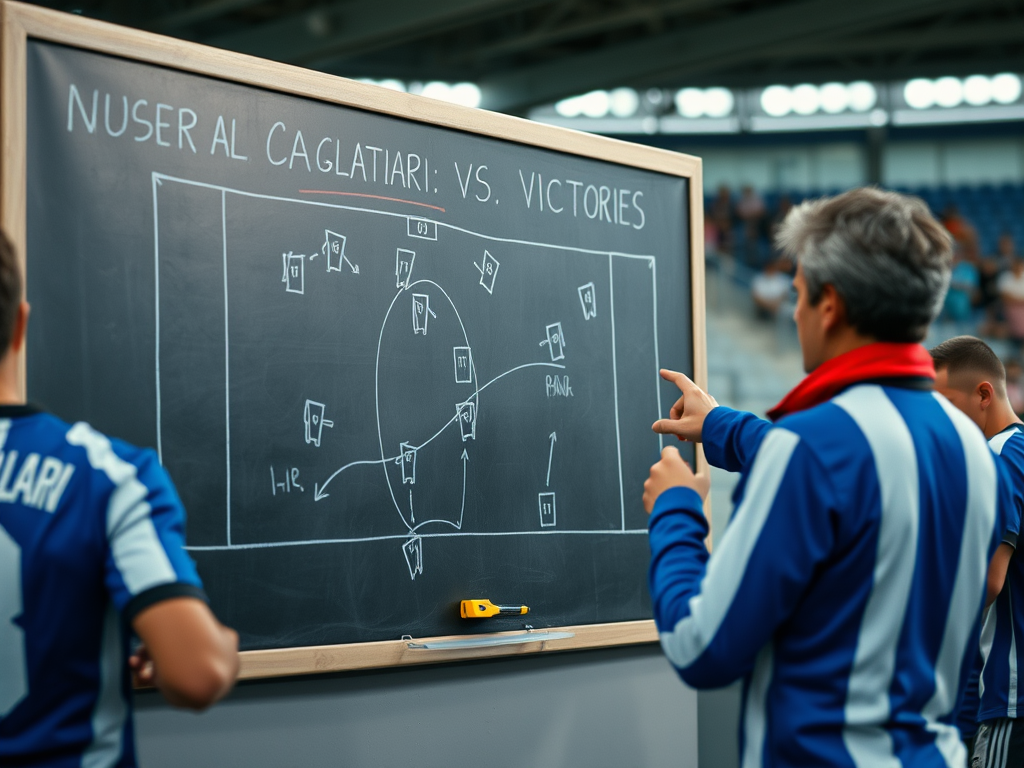
One potential tweak could involve introducing a more dynamic midfield structure. By employing a double pivot, with two central midfielders who can interchange positions and create overloads, Sampdoria could enhance their ability to break through opposition lines. This structure would also allow greater flexibility to push full-backs higher, creating width and stretching defenses.
Fluidity in Forward Play
Currently, the attacking trio often appears disjointed, with forwards failing to connect effectively with the midfield. A potential solution lies in adopting a more fluid front three, where players interchange positions frequently. This would not only confuse opposing defenders but also create spaces for late runs from midfielders, adding an extra dimension to the attack.
Moreover, with the likes of M. Coda and O. Abildgaard in the squad, exploiting their versatility could be key. Encouraging Coda to drop deeper and pull defenders out of position while allowing Abildgaard to exploit the space left behind could create goal-scoring opportunities. The aim should be to create a more unpredictable attacking front, one that keeps defenders on their toes.
Revising Defensive Structure
Defensively, Sampdoria has shown moments of vulnerability that opponents have capitalized on. While their backline is generally solid, the transition from attack to defense has been sluggish at times. A more aggressive pressing strategy could be beneficial, particularly when the opposition is in possession of the ball in their own half. By implementing a high press, Sampdoria could force turnovers in dangerous areas, leading to quick counter-attacking opportunities.
Implementing a system that encourages the forwards to press aggressively while the midfielders provide support could disrupt the opposition's rhythm and create more chances. This change in mentality could energize the team and foster a sense of urgency that has been lacking in recent performances.
Emphasizing Set-Pieces
In addition to open play adjustments, Sampdoria could benefit significantly from refining their set-piece strategy. Currently, their corner and free-kick routines appear predictable and lack the creativity to capitalize on these dead-ball situations. By introducing varied set-piece plays that utilize the aerial prowess of players like A. Ferrari, Sampdoria could add a critical goal-scoring avenue that they have yet to exploit.
Conclusion
In summary, while Sampdoria has displayed flashes of potential, their recent form calls for tactical introspection. By adjusting their midfield structure, enhancing fluidity in their attacking play, revising their defensive strategies, and sharpening their set-piece execution, the Blucerchiati can transform their fortunes. These tactical tweaks could be the keys to unlocking a more effective and cohesive unit that can navigate the challenges ahead.