 Sampdoria Hub
A Legacy of Resilience
The merger that birthed Sampdoria in 1946 isn’t just a chapter in football history; it’s a fundamental lesson in resilience and adaptation. After World War II, Italian football was in a phase of reconstruction, with clubs seeking to rebuild, leading to Sampierdarenese and Andrea Doria joining forces to create a stronger entity. This event marked the beginning of a journey that fostered a unique identity and a solid community.
This article doesn’t merely recount the story of the merger; it also explores its implications for the club’s future. Sampdoria must learn from this pivotal moment to confront modern challenges and rewrite its destiny.
Reflections on the 1946 Merger
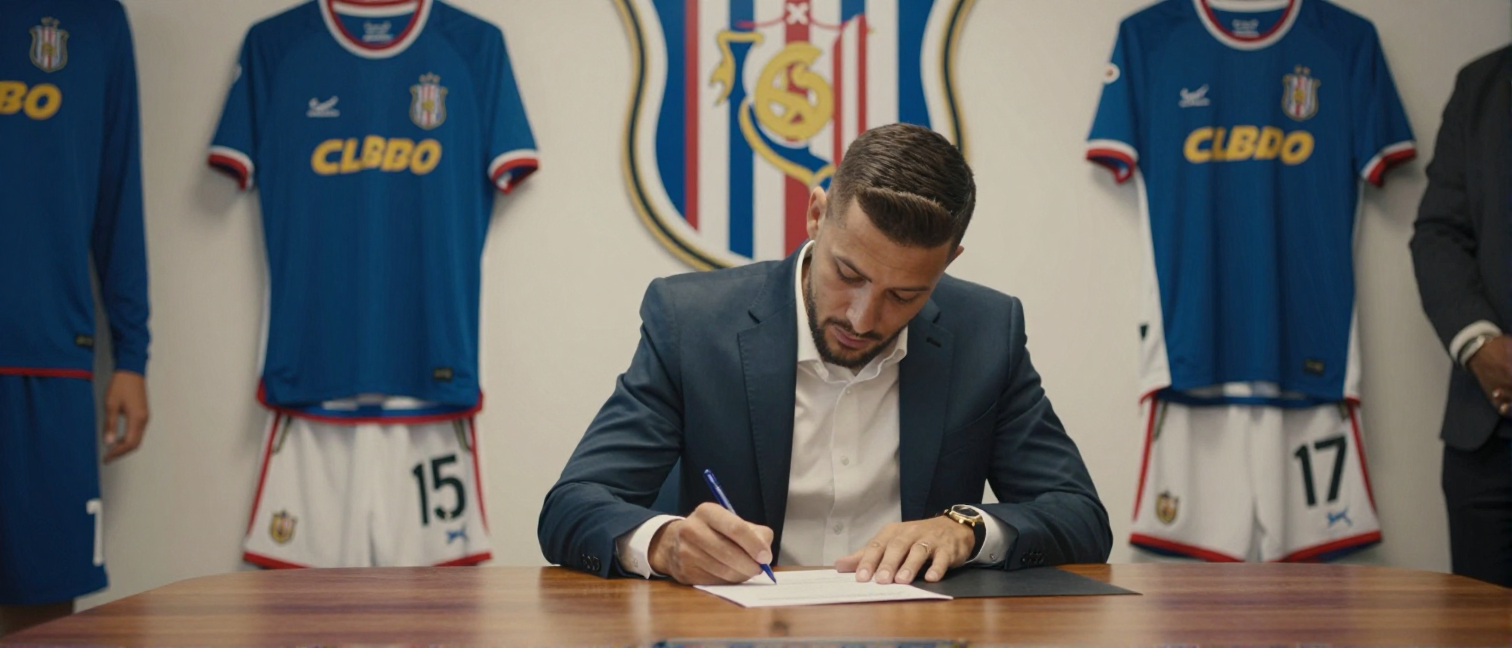
The merger between Sampierdarenese and Andrea Doria took place in a tumultuous context but led to immediate success. In the 1946-47 season, Sampdoria won the Serie B championship, creating an wave of excitement among fans. This initial success demonstrated that unity is strength, but it also highlighted the challenges clubs face when embarking on a merger.
- Uniting two football identities.
- Immediate success in Serie B.
- Creation of a new football community.
The merger also necessitated the integration of different cultures and approaches to the game. Today, as Sampdoria navigates an ever-evolving football environment, it’s crucial for the club to remember the lessons of the past. Integrating diverse strategies, players, and philosophies can prove decisive for the future.
The Importance of Club Culture
If there’s a key lesson to be learned from the 1946 merger, it’s the importance of building a strong club culture. Teams that thrive are those that manage to blend their traditions with a modern vision. Sampdoria has a rich history, but the future requires a balance between respecting the past and embracing innovation.
Club culture influences not only on-field performance but also fan engagement and brand identity. Sampdoria must continue to build on this legacy, involving fans and creating a community around the club's values.
What It Means for Fans
For fans, the 1946 merger represents a symbol of hope and unity. If you follow Sampdoria, you know how important it is to have a strong, cohesive community. The club’s history is a testament to how passion and unity can overcome even the most challenging moments.
Supporters have always played a crucial role in backing the team, and every time a significant change occurs, like the arrival of a new manager or the acquisition of key players, it's essential to keep the tradition of inclusion and engagement alive. This not only strengthens the bond between the club and its fans but also creates a positive environment where the team can thrive.
The Future Outlook
Looking ahead, the club must reflect on how past experiences can inform strategic decisions. The 1946 merger is not just a story to tell; it’s an example of how resilience and adaptation can lead to lasting success. As Sampdoria prepares for the challenges of the upcoming season, it’s vital for the club to continue investing in its culture and values.
Critics will argue that the club should focus solely on immediate results, but neglecting the importance of culture and identity could prove costly. Sampdoria needs a solid foundation on which to build its future, and the merger's history serves as valuable guidance.
What’s Next
Sampdoria's journey is ever-evolving, and the club must face challenges with courage and determination. The 1946 merger represents a reference point from which to build a bright future. If the club continues to respect its roots while embracing innovation, it can keep winning the hearts of fans and continue to write its story in Italian football.
In conclusion, Sampdoria is more than just a football club. It’s a symbol of unity, resilience, and hope. Fans can look to the future with optimism, knowing that the club’s history is proof of the power of unity and passion.