 Sampdoria Hub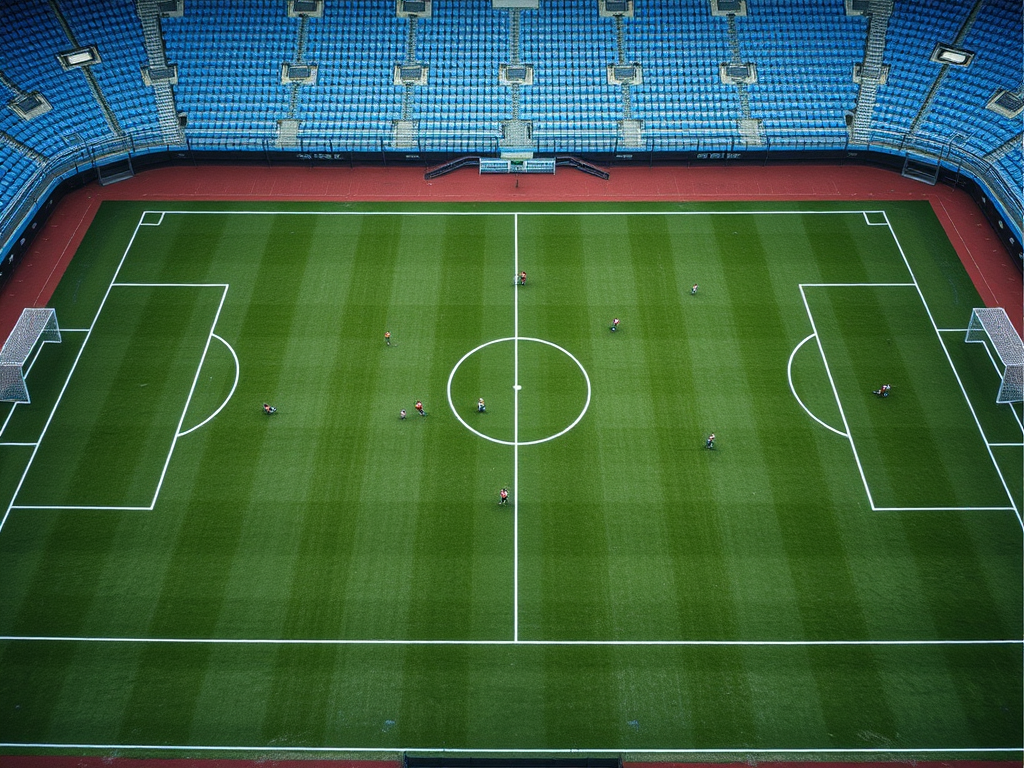
"Our goal is to become a more dynamic squad," stated the new manager during his opening press conference. This vision is becoming increasingly clear as Sampdoria embarks on a tactical evolution that showcases flexibility and adaptability. Gone are the days of rigid formations; instead, the team is embracing fluid strategies that allow players like O. Abildgaard and A. Barák to express their skills more freely.
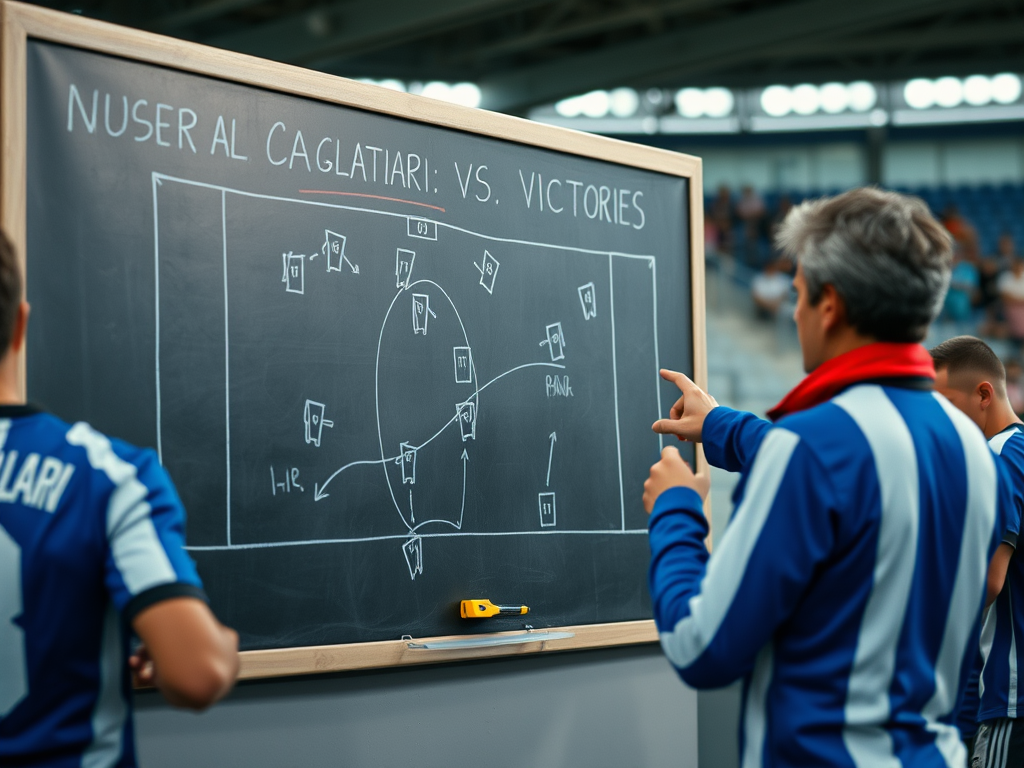
The recent match against Sassuolo illustrated this new approach perfectly. In the first half, Sampdoria set up in a 4-3-3 formation, allowing them to press high and disrupt the opposition's build-up play. When Sassuolo shifted the game, Sampdoria seamlessly transitioned to a more compact 4-2-3-1 shape, making it difficult for their rivals to penetrate.
One noticeable change has been the offensive contributions from defenders. F. Depaoli and A. Di Pardo have consistently pushed forward, joining attacks. Their involvement has provided width and depth, showing how Sampdoria's structure encourages overlapping runs. This strategy not only increases options for the forwards, such as T. Begić and M. Brunori, but also creates uncertainty for opposing defenses.
As the season progresses, it will be intriguing to see how these evolving tactics manifest in tougher fixtures. With players adapting to their roles under the new system, Sampdoria is not just aiming for survival but is looking to challenge for higher honors in the league.