 Sampdoria Hub
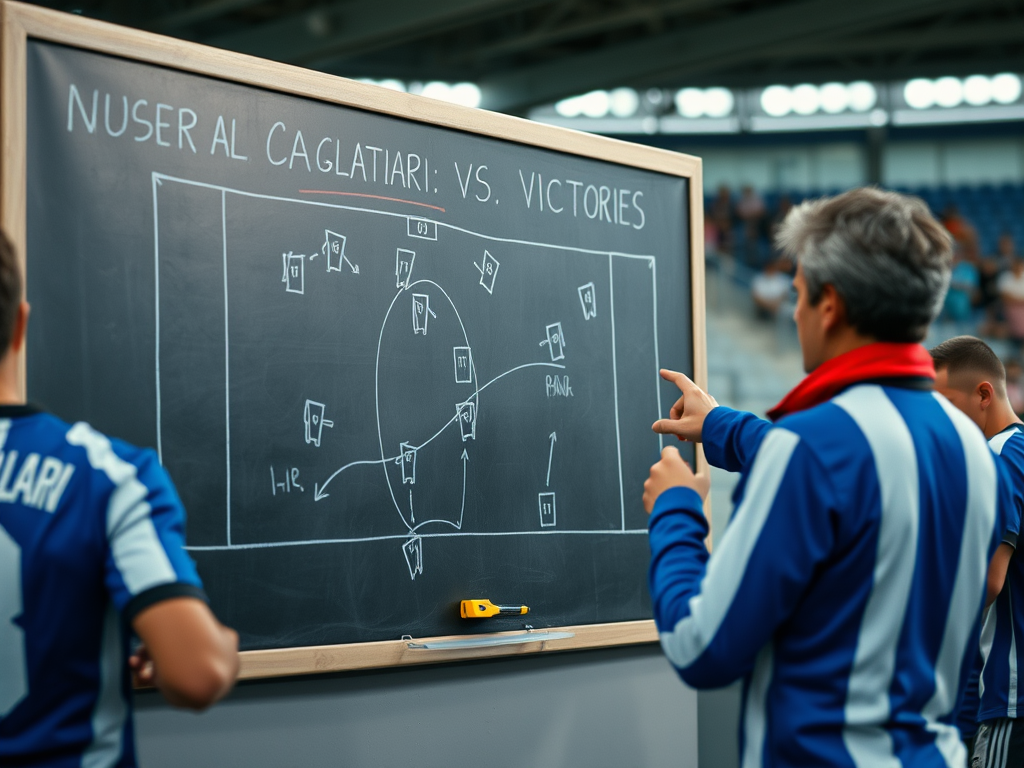
Sampdoria has adopted an intriguing tactical formation this season, often utilizing a 4-3-3 setup. This formation allows flexibility, permitting the midfielders to dynamically switch roles between defensive duties and attacking support. With this approach, the team can exploit wide spaces, especially with players like F. Depaoli making aggressive runs down the flanks.
In the last match against Torino, Sampdoria's midfield trio of O. Abildgaard, A. Barák, and A. Di Pardo demonstrated excellent coordination. They successfully intercepted Torino's attacks while quickly transitioning to the front line. This ability to break swiftly from defense to attack proves vital as they seek to secure valuable points in Serie A. Key Factors in Sampdoria's Play A major strength in Sampdoria's play lies in their pressing game. They often apply pressure high up the pitch, forcing opponents into hurried decisions. However, this strategy can leave gaps in the back. When facing counter-attacks, their center-backs must quickly recover to avoid conceding goals.
As observed in their recent matches, the relationship between the central defenders and G. Coucke is critical. His anticipation and command of the penalty area are essentials for nullifying opposing threats. The synergy between the defense and goalkeeper has resulted in a few clean sheets this season, an encouraging sign for Sampdoria's ambitions.
As they continue to develop their tactical identity, adjustments will be necessary to keep pace with Serie A's competitive landscape. If they can iron out defensive vulnerabilities, an upward trajectory in the league is plausible.