 Sampdoria Hub
Introduction
Sampdoria has displayed a mix of resilience and vulnerability in their recent fixtures, reflecting the complexities of adjusting to new tactical demands. Although they possess undeniable talent, particularly in midfield and attack, the Blucerchiati must refine their approach to build upon their recent form. Let's delve into the tactical aspects that could benefit from some tweaking.
Current Tactical Setup
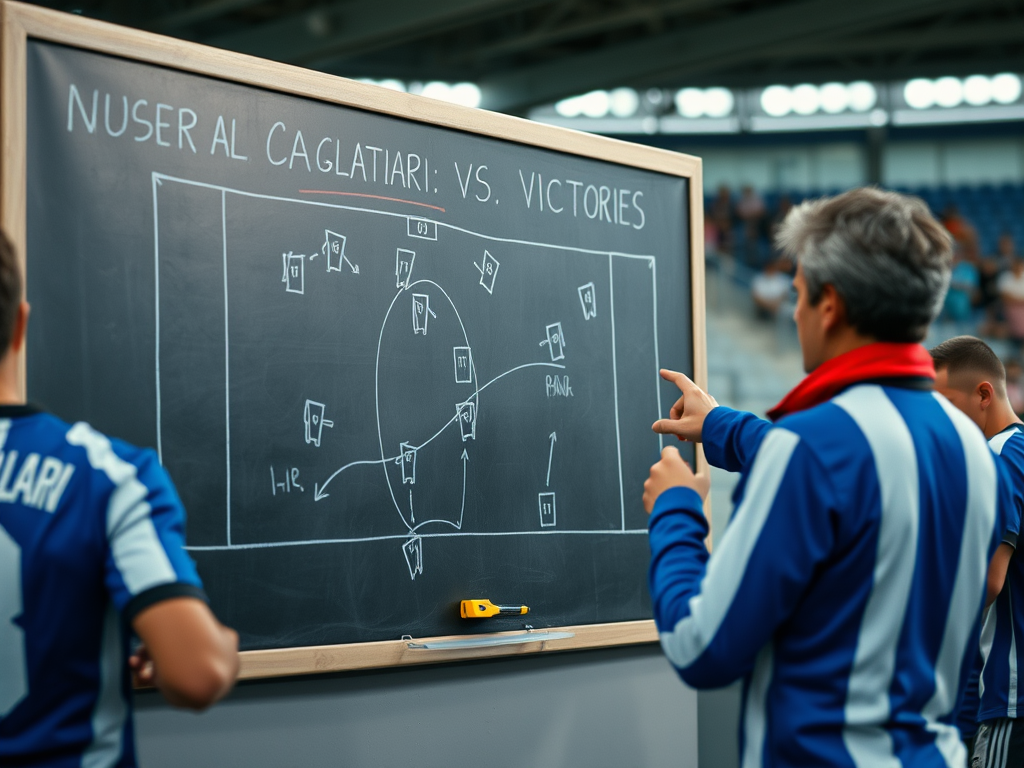
Currently, Sampdoria employs a 4-3-3 formation, which has allowed them to maintain width and utilize the pace of their wingers effectively. However, this system also exposes them defensively, particularly during transitions when the midfield fails to provide adequate support to the backline. The reliance on individual brilliance from players like A. Barák and G. Coucke has kept them afloat, but a more cohesive unit is essential for sustained success.
Midfield Dynamics
One of the critical areas that needs adjustment is the midfield dynamics. While A. Barák showcases creativity and offensive thrust, the balance with defensive responsibilities is often lacking. Introducing a more robust defensive midfielder could alleviate pressure on the backline and allow Barák and others to express themselves further up the pitch. A deeper-lying playmaker, capable of dictating the tempo while also protecting the defense, could transform Sampdoria's midfield into a more formidable unit.
Defensive Structure
The defensive structure of the team has shown signs of inconsistency, particularly in high-stakes matches. The center-back pairing of G. Coucke and A. Ferrari needs to develop a stronger understanding to manage threats effectively. Implementing a more compact defensive shape, especially in away games, could mitigate risks. Additionally, encouraging full-backs to tuck in when the team is under pressure can provide extra cover and stability.
Transition Play
Transition play has often been a double-edged sword for Sampdoria. While they have the personnel to execute swift counterattacks, there are moments when they become disjointed, losing the ball in critical areas. A focus on improving the transition from defense to attack is paramount. Ensuring that players are positioned correctly to receive the ball and quickly exploit spaces can turn defensive recoveries into offensive opportunities. Drills focusing on quick passing and movement off the ball during training sessions could enhance this aspect of their game.
Offensive Adjustments
From an attacking standpoint, Sampdoria has been reliant on wide play but sometimes fails to penetrate through the middle. Encouraging more interchanging runs between forwards and midfielders could create additional space, allowing players like M. Coda to exploit gaps in opposition defenses. Furthermore, integrating more overlapping runs from full-backs can stretch defenses and create mismatches, opening avenues for goal-scoring opportunities.
Conclusion
As Sampdoria continues to battle through the season, tactical adjustments are vital for their development and competitiveness. By refining their midfield dynamics, strengthening their defensive structure, enhancing transition play, and diversifying their attacking strategies, the Blucerchiati can harness their potential and make a significant impact in the league. The road ahead may be challenging, but with the right tweaks, Sampdoria can elevate their performances and secure a brighter future.