 Sampdoria Hub
In recent matches, Sampdoria has displayed moments of brilliance juxtaposed with periods of vulnerability. As the Blucerchiati navigate the Serie A landscape, it’s imperative to delve into the tactical nuances of their performances and suggest essential tweaks that could elevate their game.
Current Tactical Setup
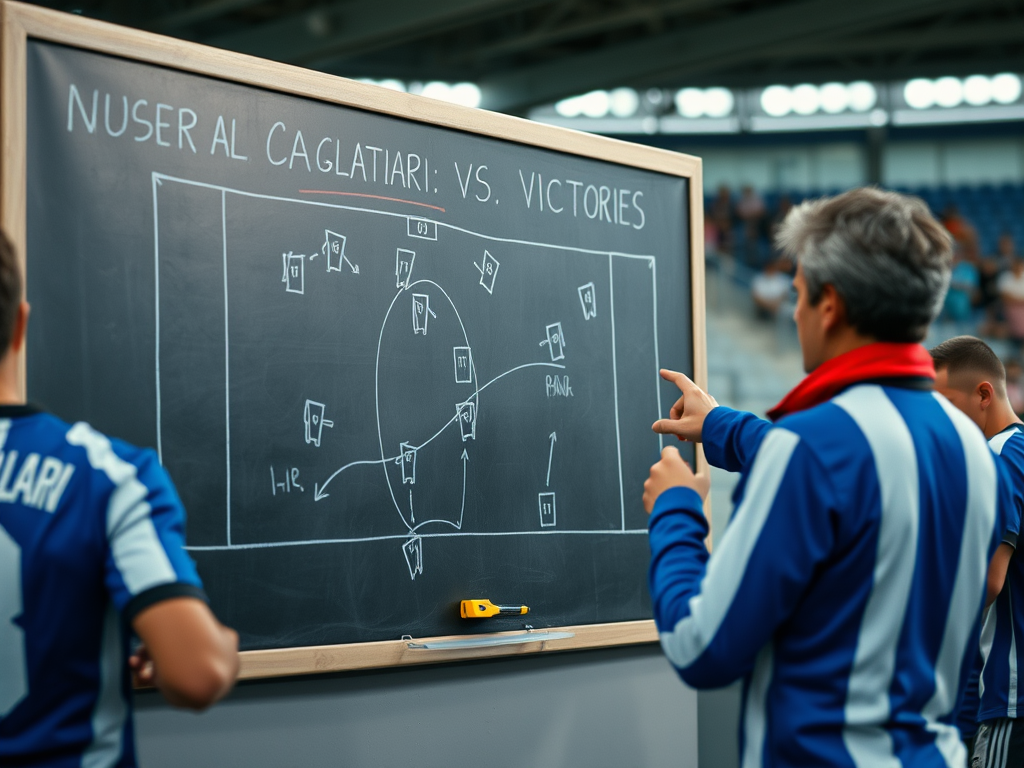
Sampdoria has predominantly operated in a 4-3-3 formation, which offers a solid foundation for both attacking and defensive scenarios. The front three comprises pacey wingers who can stretch the opposition's defense, while the midfield trio is tasked with both ball retention and distribution. However, in the heat of competitive fixtures, this setup has revealed some cracks that need addressing.
Key Areas for Improvement
1. Midfield Cohesion: The midfield has at times appeared disjointed, struggling to maintain possession during high-pressure situations. A suggestion here would be to implement a double pivot system. By utilizing two deeper-lying midfielders, Sampdoria can enhance ball control and provide better defensive coverage, allowing the attacking midfielders to push forward more effectively.
2. Wing Play Optimization: While the wingers are adept in one-on-one situations, the buildup play often lacks fluidity. Encouraging the full-backs to overlap more frequently could provide width and create space for the wingers to exploit. This not only extends the opponent's defensive line but also creates crossing opportunities that could benefit the strikers.
3. Pressing Strategy: Sampdoria has occasionally been caught out by teams that press aggressively. Adopting a more structured pressing system, where players know their triggers for pressing, could lead to regaining possession higher up the pitch. This would not only disrupt the opponent’s rhythm but also increase Sampdoria’s chances of scoring from turnovers.
Suggested Tactical Adjustments
- Formation Shift: Transitioning to a 4-2-3-1 formation could enhance Sampdoria's flexibility. In this setup, the two holding midfielders can shield the defense while also distributing the ball to the more advanced playmakers. This formation allows for better transition between defense and attack, ensuring that the team remains compact when defending and fluid when moving forward.
- Utilizing a Target Man: If Sampdoria can integrate a target man into their attacking strategy, it would allow them to play more direct football when needed. A focal point in attack could help in holding up the play, allowing wingers and midfielders to make runs in behind the defense.
- Defensive Solidarity: Recent matches have shown that defensive lapses often occur during transitions. A focus on maintaining shape and discipline during counter-attacks is essential. Training sessions should emphasize the importance of quick recovery runs and maintaining compactness to prevent opponents from exploiting gaps.
Conclusion
As Sampdoria seeks to improve their standing in Serie A, these tactical tweaks could provide the necessary edge. By refining their midfield dynamics, optimizing wing play, and enhancing their pressing strategy, the Blucerchiati can not only solidify their defense but also increase their attacking potency. The road ahead may be challenging, but with the right adjustments, Sampdoria can navigate through the season with renewed vigor.