 Sampdoria Hub
Strategic Adjustments for Sampdoria's Tactical Revival
As the Blucerchiati continue their campaign in Serie A, recent performances have raised questions about the tactical setup under the current management. While Sampdoria has shown flashes of brilliance, a closer examination of their recent form suggests that a few strategic tweaks could significantly enhance their competitiveness in the league.
Formation Flexibility
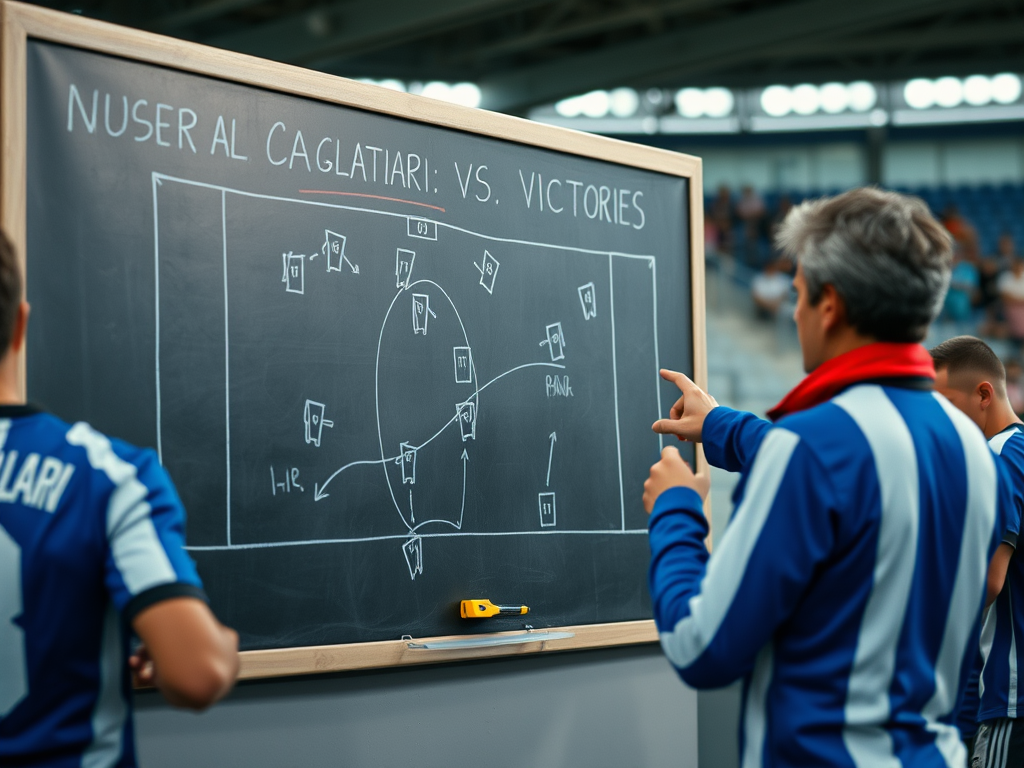
Sampdoria has predominantly lined up in a 4-3-3 formation, which has its merits but may lack the flexibility needed against teams that dominate possession. A shift to a 4-2-3-1 setup could allow for greater defensive stability while still providing creative outlets in attack. This formation would enable two holding midfielders to shield the backline, giving full-backs more freedom to push forward and support the wings.
Midfield Dynamics
The midfield has been a focal point in recent matches, but the pairing of central midfielders has often lacked the necessary balance between defensive duties and playmaking. Introducing a more dynamic midfielder, one who can transition the ball quickly and engage in pressing, would relieve some pressure off the backline. This would not only enhance ball recovery but also facilitate quicker counter-attacks, leveraging the pace that players like Filip Djuricic and Manolo Gabbiadini possess.
Width and Creativity
Sampdoria's wingers have shown promise but have struggled to consistently create goal-scoring opportunities. Implementing a more fluid attacking structure, where wingers have the license to cut inside or overlap with full-backs, could confuse opposing defenders. This unpredictability makes it difficult for teams to mark players effectively and opens up space for late runs from midfielders, increasing the chances of scoring from various positions.
Defensive Cohesion
Defensively, while the back four has been relatively solid, there have been instances of communication breakdowns leading to avoidable goals. Encouraging a more proactive defending approach, where players engage opponents higher up the pitch, could alleviate some pressure on the defense. This would also allow Sampdoria to regain possession in advanced areas, leading to quicker attacking transitions.
Set-Piece Strategy
Set pieces have often been underutilized in Sampdoria’s tactical repertoire. Focusing on set-piece routines, both offensively and defensively, can provide crucial advantages in tight matches. Training sessions should emphasize varied delivery styles and well-rehearsed movements to exploit aerial weaknesses in opposition defenses, particularly against teams that struggle to defend against set plays.
Conclusion
In conclusion, while Sampdoria has faced challenges in recent weeks, there are clear tactical adjustments that can help the team regain momentum. By adopting a more flexible formation, enhancing midfield dynamics, utilizing width effectively, improving defensive cohesion, and maximizing set pieces, the Blucerchiati could transform their fortunes in the league. As the team continues to develop under its current management, these tweaks could be the key to a successful second half of the season.